Linen
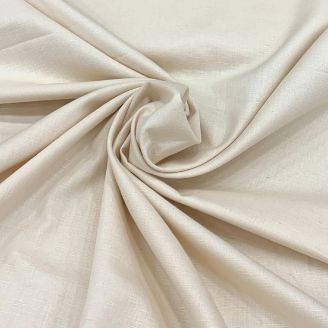
Linen, a revered textile, epitomises elegance, durability, and eco-conscious luxury. Derived from the flax plant (Linum usitatissimum), pure linen fabric has been cherished since ancient times, adorning civilisations from Egypt to modern runways. The linen textile’s natural sheen, breathability, and unique texture make it a cornerstone of luxury fashion, with linen cloth offering a versatile canvas for both traditional and contemporary designs. The charm of linen fabric lies in its crisp, slightly slubbed surface, delivering a refined yet relaxed aesthetic. Whether crafted as cotton linen fabric or pure linen material, its cool-to-touch quality and subtle lustre enhance its appeal. Linen softens with wear while maintaining strength, making it ideal for warm climates. Blends like cotton and linen fabric or bamboo linen add softness, expanding its use in apparel, from flowing sarees to tailored suits. Sustainability underscores the linen textile’s modern resurgence. Flax cultivation requires minimal water and pesticides, and the entire plant, from seeds to fibres, is utilised, reducing waste. Biodegradable and recyclable, pure linen fabric aligns with eco-friendly fashion trends. Its natural hues, such as ivory and beige, suit understated elegance, while linen material’s dye-absorbing properties support vibrant, contemporary palettes, making it a favourite for fusion wear and couture. Cotton linen fabric complements intricate handwork, enhancing traditional designs with its textured charm, while pure linen material excels in sleek, modern silhouettes, offering a crisp, sophisticated aesthetic. As the fashion industry prioritises sustainability, linen textile, including linen cotton and bamboo linen blends, stands out as an eco-conscious choice. These blends combine heritage craftsmanship with innovative, environmentally responsible production, ensuring linen fabric remains a timeless, luxurious option that balances style and sustainability for diverse applications.
The Making of Linen
The production of linen fabric is a meticulous, sustainable process that transforms flax into a luxurious linen textile. Grown in temperate regions, flax thrives with minimal irrigation and chemicals, making pure linen fabric an eco-friendly choice. The journey from plant to linen cloth involves time-honoured techniques, resulting in a versatile woven fabric used across industries.
Flax seeds are sown in spring, maturing over 100 days into plants about a metre tall. To preserve long fibres for high-quality linen textile, plants are uprooted rather than cut. Retting follows, where moisture and bacteria break down pectin-binding fibres to the woody stem. Dew retting, an eco-friendly method, relies on natural moisture, while water retting accelerates the process for finer cotton linen fabric or bamboo linen.
Scutching mechanically separates fibres from woody shives, and hackling combs out impurities, yielding silky line flax. Spinning these fibres into yarn, especially for linen-cotton blends, is delicate due to linen’s low elasticity. Wet spinning enhances smoothness and strength, producing yarns for lightweight cotton and linen fabric or structured pure linen material. Bamboo linen requires careful handling to maintain its softness.
Weaving transforms yarn into linen cloth, with plain or twill weaves maximising durability and texture. The fabric is bleached, dyed, or finished to enhance lustre, with eco-friendly dyes used for cotton linen material and bamboo linen. Stone-washing softens pure linen fabric’s crispness, while natural slubs add character to the linen textile. Rigorous quality checks ensure authenticity, celebrating these irregularities as hallmarks of craftsmanship.
Flax’s environmental benefits are significant: it improves soil health, and by-products like flaxseed oil are repurposed. Cotton linen fabric and bamboo linen blends reduce resource use, though labour-intensive harvesting increases costs, justifying linen cloth’s premium status. The process, balancing tradition and sustainability, produces a linen material that is both ethical and elegant, ideal for garments ranging from casual kurtas to intricate bridal wear.
Utility
Linen fabric’s versatility makes it a staple in the wardrobes of everyone who loves a breezy silhouette. The breathability of pure linen fabric and the softness of cotton linen fabric suit warm climates, while the strength of linen textile supports structured designs, offering endless possibilities across traditional, fusion, and contemporary styles.
For women's wear, many designers opt for mixed linen to design lightweight sarees and lehengas, where the fabric’s sheen enhances embroidered details. Anarkalis and kurta sets in linen offer elegant yet comfortable festive silhouettes; fusion co-ord sets and shirt dresses in linen cotton blends provide modern sophistication for casual or semi-formal occasions.
In menswear, linen textiles’ tailored potential is visible through traditional bandhgalas, sherwanis, and contemporary suits. Cotton linen material ensures comfort in kurtas and Indo-Western jackets, ideal for weddings or evening events.
Pure linen fabric’s ability to hold sharp lines suits structured blazers, while bamboo linen adds softness for relaxed, casual looks, balancing formal and laid-back aesthetics.
For kidswear, cotton linen fabric is often used due to its durability and softness, creating charming occasion wear, such as mini kurtas, lehengas, or tailored sets. Vibrant prints on linen material craft playful yet stylish looks, ensuring comfort during festive or formal gatherings.
From breezy, lightweight clothes to intricate designer pieces, linen fabric, including cotton linen material and bamboo linen, offers unmatched versatility. Its ability to adapt to casual, festive, or bridal silhouettes underscores its enduring value in luxury fashion, delivering sustainability and timeless style across generations.
Image Credits
Saroj Fabrics House