All States
Andhra Pradesh & Telangana
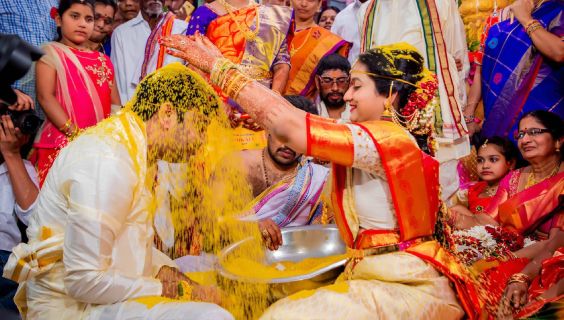
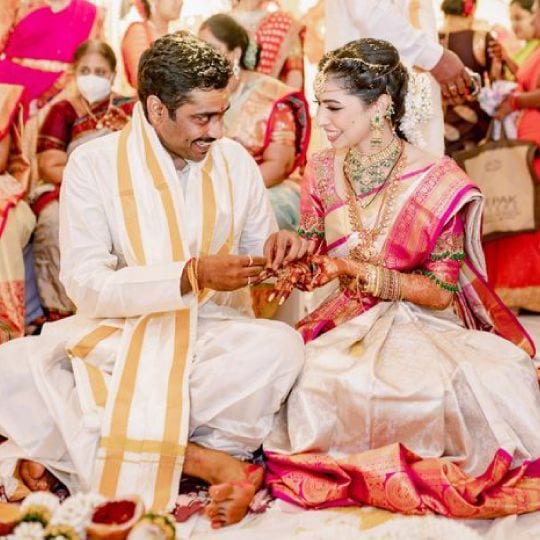
Andhra Pradesh and Telangana weddings are days-long events with ceremonies grounded in the state’s culture and tradition. Located on the southeastern coast of India, the two states were originally one state until 2014. Despite the division, they still have a shared history and heritage, which informs their wedding customs.
The states are home to many communities, with Hinduism and Islam being the predominant religions. The rituals and customs observed during weddings express faith and devotion. Be it the wedding chants, Tamil rituals, or pooja preparations — religion is a big part of Andhra wedding.
In the past, Telugu weddings lasted up to 20 days. As the times have changed, they now typically last 3-5 days. The weddings are also a mix of traditional customs and contemporary functions like Mehndi and Sangeet, which are adopted from North Indian weddings. Overall, they still focus on the traditional, spiritual, and emotional union of the couple, staying true to Andhra Pradesh's cultural identity.
READ MORE →
Maharashtra
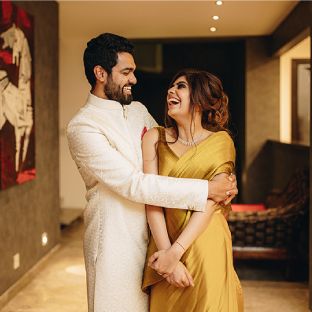
Maharashtrian weddings are simple and heartfelt affairs rooted in age-old traditions. Maharashtra has a rich history and is particularly known for the powerful Maratha Empire started by Shivaji Maharaj. Under his rule, Hindu culture flourished and permeated everything from literature to architecture to weddings. The colonial era ushered in an era of cultural fusion, resulting in a modern Maharashtra where traditional values exist amidst modernity.
Hindus make up the majority of the population, followed by Muslims, Buddhists, Jains, Christians, Sikhs, Jews, and Zoroastrians. The Hindu Maharashtrian community is made up of several castes, such as Marathas, Kunbis, Kolis, and Saraswats. Hindu wedding traditions vary slightly in each community and across the state’s major regions: Konkan, Paschim Maharashtra, North Maharashtra, Marathwada, and Vidarbha. But overall, they follow similar customs and ceremonies as explained in the Vedic scriptures.
Most Maharashtrian weddings will have Sakhar Puda or the Engagement ceremony, and the Halad Chadavane, the Haldi ceremony. Many of the rituals also give a lot of importance to Lord Ganesha, Maruti, Lord Vitthal, and Goddess Gauri. The weddings are beautiful celebrations focused on the couple and their families, bringing together lots of love and warmth to the traditions.
READ MORE →
Karnataka
Grand palaces, stunning temples, and UNESCO World Heritage Sites — Karnataka has it all. Abundant in natural beauty, the coastal state is also known for its spectacular beaches, hill stations, and waterfalls. A culturally diverse land, Hinduism is the dominant religion in Karnataka, followed by Jainism and Buddhism. The major ethnic groups are the Kannadigas, Konkanis, Tuluvas, and Kodavas. The rest of the population is made up of Tibetans, Siddhi Tribes, Muslims, Yeravas, and Christians.
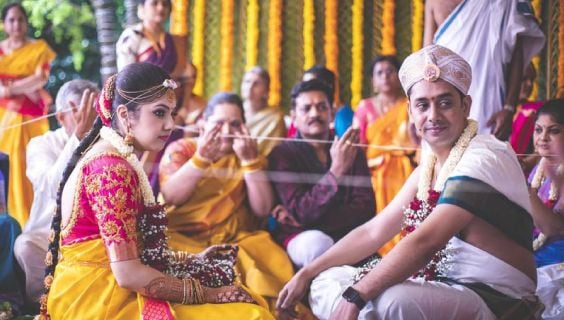
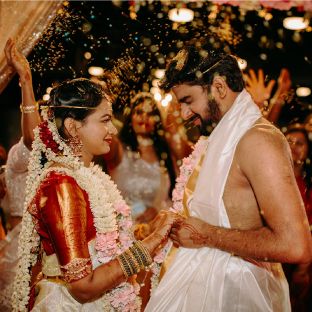
From the playful Kashi Yatra to the emotional Mangalsutra Dharana, Karnataka weddings are composed of elaborate rituals taken from the Vedas and other scriptures. These customs are accompanied by sumptuous feasts, Carnatic music, and elegant ensembles — making Karnataka weddings a refined, joyous, and spiritually grounded affair.
READ MORE →
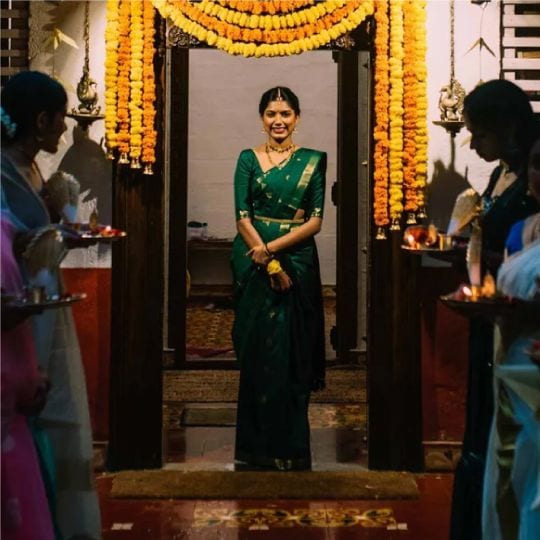
Kerala
Kerala, often referred to as "God's Own Country," is known for its beautiful nature, rich cultural heritage, and diverse religious practices. Keralan weddings are known for their simplicity. They are elegant and traditional ceremonies conducted with great respect for faith and religion. The rituals reflect the beliefs and spirituality of the Malayali communities.
READ MORE →
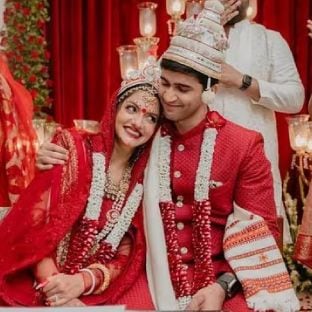
West Bengal
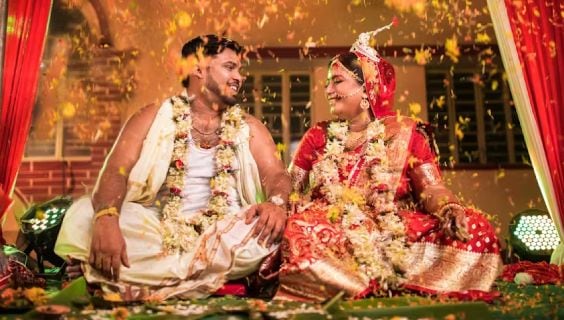
Bengali weddings are vibrant and elaborate affairs with a series of rituals and customs. Traditionally, these ceremonies were intricate and lengthy, lasting several days at at time. Even today, weddings in West Bengal have several pre-wedding rituals leading up to the main function and a few rituals after the wedding as well. However, even with contemporary changes, Bengali weddings stay true to their rich history and heritage.
The eastern state of West Bengal is a beautiful and diverse land known for its literature, music, dance, and culture. The majority of the population is Hindus, followed by Muslims. Christians, Buddhists, Jains, and other religious minorities form the rest of the population. Native Bengali-Hindus are the prominent ethnic group. Other Hindu communities in West Bengal include Marwaris, Biharis, Odias, Gurkhas, Punjabis, Sindhis, and Gujaratis.
Owing to this, most Bengali weddings follow Hindu customs and ceremonies as laid down in Hindu scriptures. The ceremonies are rich with meaning and symbolism, making them memorable for everybody involved.
READ MORE →
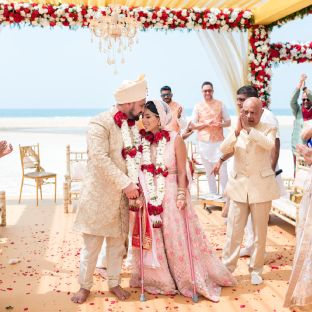
Goa
Goa is known for its beaches, greenery and magnificent churches. Despite being the smallest state in India, it boasts a wealth of beauty, culture and traditions. Many Goans practice Christianity, and the history of Catholicism in Goa dates back to the century when missionaries first introduced the religion to the local community. Today, Catholicism plays a role in Goan society, shaping its customs, traditions and way of life, including their approach to weddings.
The Goan Catholic community has a unique identity that blends elements of Portuguese culture. This fusion is evident in aspects of Goan Catholic life such as language, cuisine, and especially weddings! Goan Catholic weddings are occasions filled with festivities and a strong emphasis on faith. These celebrations typically span three days and include a series of Christian and Goan rituals.
READ MORE →
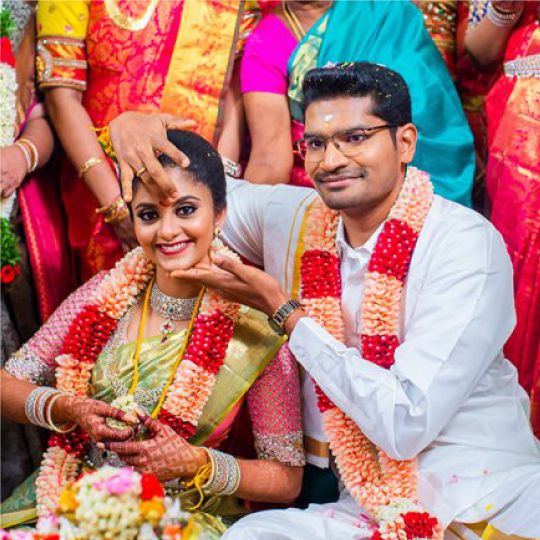
Tamil Nadu/ Puducherry
Tamil Nadu is a large coastal state in South India with a neighbouring Union Territory of Puducherry, formally known as Pondicherry. Tamil Nadu is famous for its Dravidian-style temples, diverse cuisine, beautiful sarees, and so much more. Puducherry has long been known for its French Colonial architecture, quaint cafes, and serene beaches.
While there are communities of Christians, Muslims, and Jains in these areas, a majority of the population follows Hinduism. Thus, most Tamil weddings have a series of rituals and traditions that follow the Hindu faith. The wedding rituals vary slightly across different Tamil communities, such as Chettiars, Brahmins, and Iyengars, but they generally follow the processes set down in the Vedic scriptures.
READ MORE →
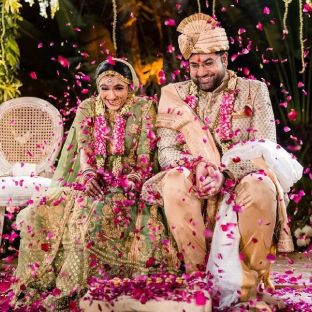
Gujarat
Gujarati weddings are known for being spirited celebrations that honour love, tradition, and culture. The western state is famous for its colourful customs and festivals – an energy that flows into its wedding ceremonies as well. The state has a majority Hindu population but also includes communities like Jains, Patels, and Lohanas, each contributing their own unique customs to the wedding festivities. A Gujarati wedding is a blend of rituals, music, dance, and delicious cuisine that creates lasting memories for all involved.
READ MORE →
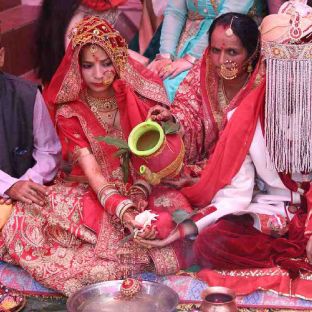
Himachal Pradesh
Known for its breathtaking scenery, Himachal Pradesh is a beautiful state located in the foothills of the Himalayas. It is home to Hindu communities and several tribal communities. The mix of these cultures seeps into their food, fashion, lifestyle, and weddings. Most of the Hindu weddings follow Vedic customs, similar to other North Indian ceremonies, combined with local traditions.
READ MORE →
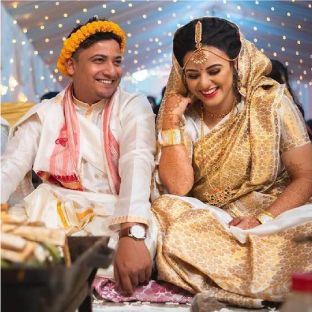
Assam
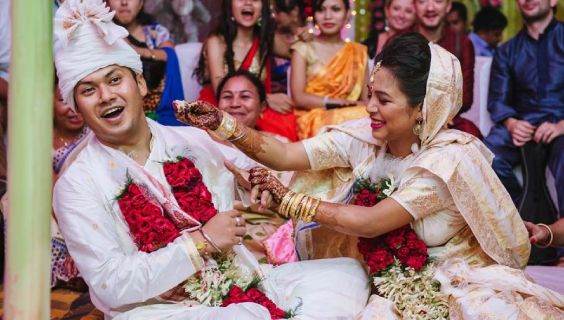
Assam is a beautiful, green state in the Northeast, known for its tea gardens, silks, and rich culture. Traditional Assamese weddings are a mix of age-old and modern ceremonies filled with warmth and care. It is a chance for the community to celebrate the groom and bride as well as their families, making it a fun, grand affair.
The state is an amalgamation of different religions, cultures, and languages. Most of the state’s population follows Hinduism, with the three prominent sects being Shaivisim, Shaktism, and Vaishnavism. Besides Hindus, Assam also has Muslim, Christian, and Buddhist communities as well as a major tribal population. The Bodo-Kachari ethnic group is made up of nineteen major tribes, while the other ethnic groups include the Tai Ahoms, Chutias, Morans and Borahis.
Many of the rituals in Assamese weddings, also called Biya, are based on Hindu scriptures; they are different from the rest of the country because of the assimilation of its unique regional communities.
READ MORE →
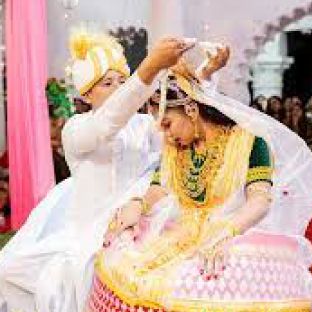
Manipur
Manipur, in the northwestern region of India, is a state known for its diverse culture and customs. Surrounded by greenery and rolling hills, this picturesque state is mainly home to the Meitei community, which practices Hinduism and an indigenous faith called Sanamahism. The Meitei marriage traditions, known as Luhongba or Yum Paanba, have evolved over the centuries by incorporating elements from Hindu and indigenous beliefs.
Manipuri weddings are affairs that showcase the longstanding customs of the Meitei people. These ceremonies are celebrated by the entire community with rituals, music, dance, and delicious feasts.
READ MORE →
Madhya Pradesh
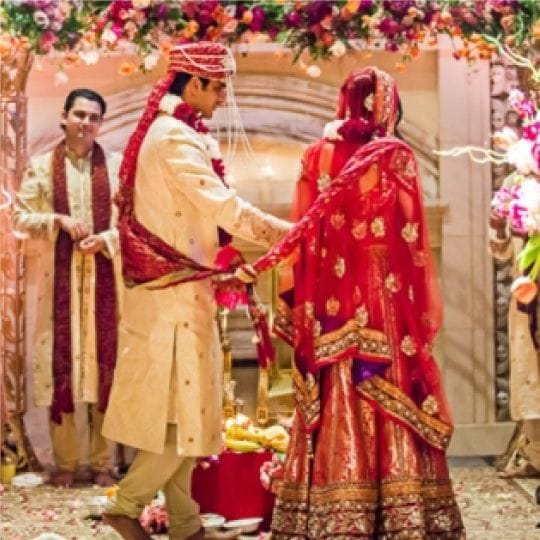
Madhya Pradesh weddings are a unique blend of traditional customs and Vedic rituals. They are not just a union of two individuals but a union of two families, with everyone from family members to the entire village participating in the celebrations. The array of wedding rituals, which typically lasts for around a week, is a testament to the region's rich cultural heritage.
The Roka, Tilak, and Pilli-chitthi ceremonies mark the family’s decision for the marriage. They are the first ceremonies held to announce the wedding. In the Roka ceremony, the bride’s father permits the groom’s father to proceed with the wedding. In the Tilak ceremony, the bride’s brother goes to the groom’s house to express their acceptance of the groom. The marriage decision is sealed with the Pilli-chitthi, in which the groom’s family sends a pilli-chitthi (invitation card) to the bride’s home, confirming the alliance between the two families. The Pilli-chitthi symbolises Lord Ganesha and is dabbed with turmeric and vermillion powder.
Following these rituals are the eagerly anticipated pre-wedding functions like Shagun, Mandap Aarohan, Haldi, and Mehendi. The Shagun ceremony involves an exchange of gifts and auspicious items to bless the couple. The Ladies Sangeet is a lively occasion filled with music and dance, where women from both families celebrate together. The Mandap Aarohan, a week before the wedding, is a joyous activity where all the bride’s family members come together to help make the mandap. The Haldi and Mehendi ceremonies, part of the Solah Shringar (bridal make-up), are moments of pure joy and celebration.
The wedding day rituals, including Padla, Baraat, Jaimala, Kanyadaan, Saptapadi and the quintessential Pheras, are not just about the couple but also the entire community coming together. The post-wedding rituals, including Vidai (bidai), Griha Pravesh, Kunwar Kaleo, and Mooh Dikhai, further strengthen these communal ties. Most weddings in Madhya Pradesh follow these rituals, each a thread in the rich tapestry of cultural heritage.
READ MORE →
Haryana
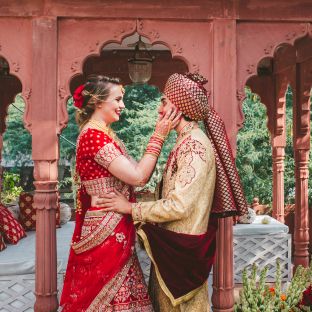
A wedding held in the Northern Indian state of Haryana signifies the coming together of two individuals and families. Overflowing with ceremonies and celebrations, every wedding reflects the state's cultural richness. A wedding in Haryana begins at least a month before the wedding day and has colourful and eventful pre-wedding, wedding, and post-wedding ceremonies.
Every wedding in Haryana reflects a healthy legacy of culture dating back to Vedic times. Rituals like Pithi Lagana (applying turmeric paste on the bride), Bhat Nyotna (bride’s/groom’s mother inviting her brother to bless her child), Satphere or Saptapadi (taking seven sacred vows around the fire), the Vidaai (bidding the bride farewell) and Griha Pravesh (groom’s mother welcoming the bride to her new home) which have existed since Vedic times, emphasise the continuity of cultural heritage. In addition, rituals like Jaimala (exchange of wedding garlands), Ghara Gharoli (bringing well water in an earthen pot), and Kalire (bride shaking kalire tied on her bangles over the heads of unmarried girls) have deep historical significance rooted in ancient Hindu customs.
Haryana has a strong tradition of joint families. Thus, weddings are a big gathering of family members, extended families, and the broader community. Many women join in to sing bhajans (spiritual songs), Jakdi, or folk songs like Ragini and to perform traditional dances like Ghoomar.
READ MORE →
Bihar and Jharkhand
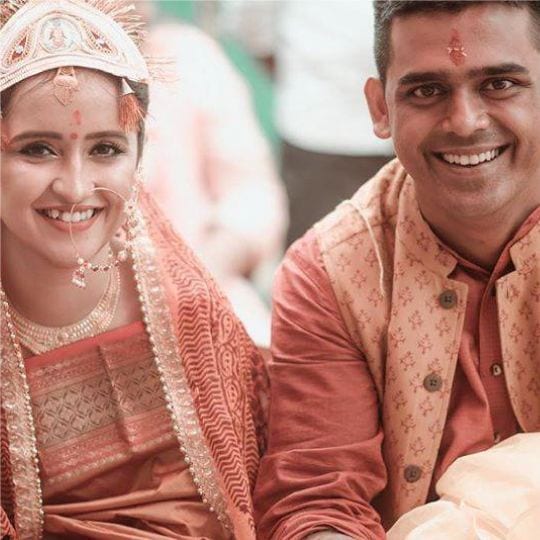
Indian weddings are colourful and vibrant and all about celebrating culture. In the states of Bihar and Jharkhand, weddings are joyous occasions where the bride and groom's families, friends, and guests participate in several ceremonies in the true spirit of an Indian wedding. Traditionally, a typical wedding celebration lasted a month, with the entire village coming together to celebrate the union of the bride and groom. Today, while wedding celebrations in Bihar and Jharkhand (earlier a part of the larger state of Bihar) may have come down to four to five days, there is a plethora of deep-rooted pre-wedding, wedding, and post-wedding ceremonies that indicate the rich culture and heritage of these two eastern states of India. The grandeur of a wedding in these states encompasses pre-wedding rituals like Satya Narayan Katha,, Cheka, Mandappachadan, Haldi,Tilak, Dhritdhaari and Matripooja, Silpoha and Imli Ghutai; wedding rituals like Baraat Prasthaan, Bhaisur Nirakshan, Kuldevta Puja, Jaimala and Galsedi, Kanyadaan, Phere, Sindoor Daan; and post-wedding rituals like Kohwar Parikshan, Salami, Vidai and Grihpravesh, Swagataarti, Mooh Dikhai, Chauthari, Chauka Chulai Ritual.
Weddings in Bihar and Jharkhand serve as a vital link between the past and the future. They embody familial and community unity, hold religious significance, and preserve the region's cultural heritage and social values.
READ MORE →
Mizoram
Mizoram, located in the lush hills of northeastern India, is a region rich in culture and tradition. The Mizo people take great pride in their heritage, and this is evident in their wedding customs, which are both meaningful and community-focused.
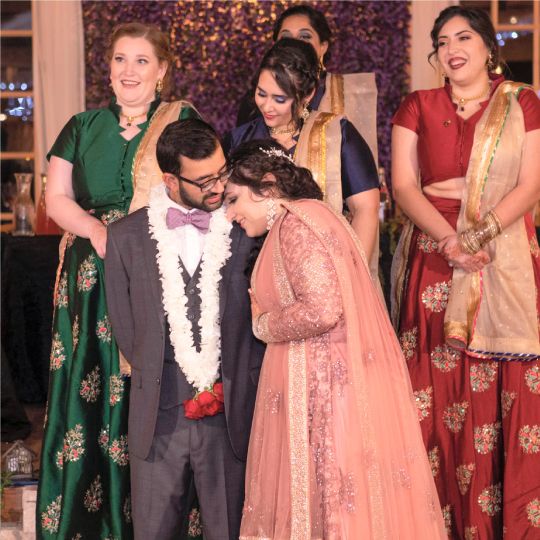
Mizo weddings are known for their simplicity and emphasis on family. In fact, the process itself kicks off with a formal proposal, where elders from both families gather to discuss the details and ensure that traditional practices are followed. It is less about grandeur and more about respect and understanding between the families.
The wedding blends Christian rituals with traditional Mizo customs, reflecting the strong Christian influence in the region. It is marked by a sense of togetherness, with the community playing an active role in the celebrations. After the vows are exchanged, a feast is shared, where everyone comes together to celebrate the couple's new life.
In Mizoram, weddings are not just about the couple but about strengthening the bonds within the community, highlighting the balance of tradition and modern influences that shape life in the region.
READ MORE →
Uttarakhand
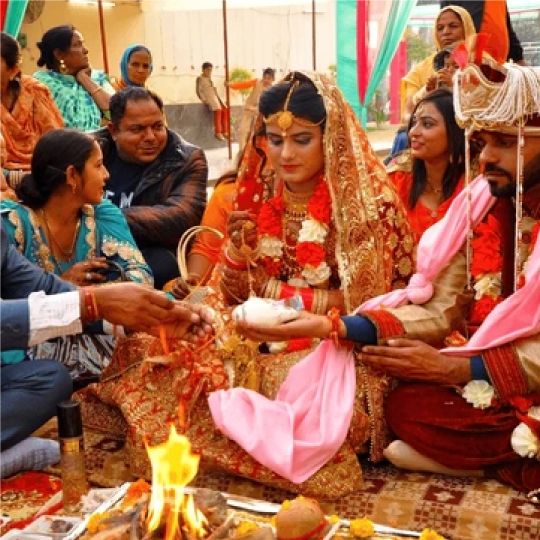
In Uttarakhand, the wedding is an enchanting social, spiritual, and cultural odyssey encapsulating warmth and grandeur. The weddings are divided into pre-wedding, wedding, and post-wedding rituals. The main pre-wedding ceremonies include Chatti (a ritual marking an auspicious start to the wedding preparations), Sagun (the ceremonial exchange of gifts), Sagai, Haldi ceremony and Mehendi ceremonies. While the Mehendi ceremony is like most others in North India, the Sagai or engagement ceremony is considerably different.
The wedding day rituals follow, starting with Ganesh Puja, seeking blessings for the wedding. The priest performs other pujas like Kalash sthapana, and Navgraha puja before lighting the main wedding lamp called Pradhaan diya. Duliagarh, Varmala, Kanyadaan, Suwal Pathai, Madhubani, Jaimala and Saptapadi complete the wedding ceremonies. Post-wedding rituals include a tearful farewell to the bride, and Gruh Pravesh, welcoming the bride at the groom’s house.
READ MORE →
Uttar Pradesh
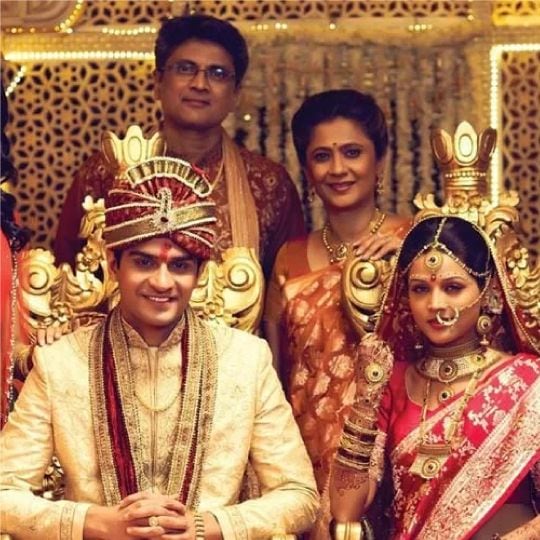
A wedding in Uttar Pradesh is a grand celebration. Every marriage ceremony has many events to celebrate the bride and groom’s new life together. In Uttar Pradesh, the wedding celebrations last for almost a week. They have everything from Vedic Yagnas to breathtakingly traditional attire, music, dance, and elaborate cuisine.
The first step towards the marriage is the Roka ceremony, held at the girl’s residence. Close family members from both sides officially meet and exchange sweets and gifts. The Roka marks the agreement between the families. Next is the Tilak ceremony. Here, the bride’s father, brother, and close family members visit the groom’s house. Usually, a male member from the bride’s side applies Tilak (vermillion paste) and rice on the groom’s forehead to welcome him into their family. A Mangni, the exchange of engagement rings, may be held on the same day. Both families exchange fruits, sweets, dry fruits, clothes, and jewellery. The Roka, Tilak, and Mangni are different rituals with one purpose – to formalise the match!
At the Haldi function, family and friends apply a paste of oil, milk, turmeric powder, sandalwood powder, and gram flour on the bride and groom. In the Mehendi ceremony, while the bride’s hands and feet are adorned with intricate henna designs, guests also get henna tattoos done. For centuries, the Haldi and Mehendi rituals were women-centric, but these days, everyone attends. The functions are also hosted jointly at venues instead of the bride and groom’s homes. Haldi and Mehendi ceremonies have everything from dhol beats (Indian drum beats) to folk songs, dancing, and a grand vegetarian feast. The last pre-wedding function is the Sangeet night. From family and friends to the bride and groom, everyone participates in well-choreographed song and dance performances.
Sehrabandi and Ghodichadna are two rituals peculiar to the groom. In the Sehrabandi ritual, a veil of flowers and beads is tied to the groom’s turban. In Ghodichadna, the groom sits on a lavishly decorated horse. His family and friends (the Baaratis) follow in a procession behind the groom. The bride’s family shower flower petals and rose water to welcome the groom and the Baraat. This ceremony is called Milini.
At the wedding mandap, the priest performs symbolic rituals like Varmala, Kanyadaan, Saptapadi, and Sindoor Daan in front of the Havan Kund (Holy fire). During the Varmala, the bride and groom exchange garlands. The Kanyadaan signifies the bride’s father handing over his daughter to the groom. Saptapadi or Saat Pheras is where the couple takes seven around the Havan Kund, making seven promises to stay with each other throughout their married life. Sindoor Daan is a ritual where the groom applies sindoor (vermillion) to the bride. Sindoor or vermillion is considered auspicious and signifies marital status in Uttar Pradesh.
The first post-wedding ceremony is Vidai, an emotional farewell as the bride leaves home. On the other side is Griha Pravesh, a ritual to welcome the bride at her new home. The last function is the Reception. In Uttar Pradesh, the groom’s family hosts the Reception. It usually has hundreds of guests and is held in a banquet hall or a beautifully decorated outdoor venue. It is the time to congratulate the newlyweds.
READ MORE →
Punjab, Delhi and Chandigarh
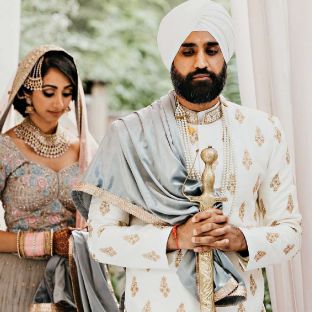
Weddings in North India, particularly in regions like Punjab, Delhi, and Chandigarh, are grand, colourful, and deeply meaningful ceremonies. Steeped in centuries-old customs, they weave together rituals, attire, food, and decor that reflect the rich heritage of each region. Punjabi weddings are a true feast for the senses, from the diverse rituals to the grandeur of the attire, cuisine, and decor. Whether you’re in the lively lanes of Punjab, the bustling streets of Delhi, or the serene, modern city of Chandigarh, each wedding tells a story of love, heritage, and celebration that transcends time.
READ MORE →
Odisha
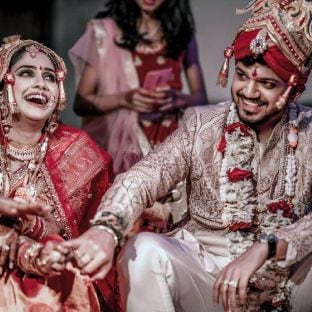
Weddings in Odisha are vibrant celebrations that weave together tradition, culture, and family values, reflecting the state's rich heritage. Known for their deep-rooted customs and colourful rituals, Odisha weddings are more than just a union of two individuals – they are a confluence of families, a celebration of community, and a tribute to the state’s diverse cultural tapestry. Each ritual, from the pre-wedding 'Nirbandh' (engagement) to 'Gruhaprabesa' (bride's entry into the groom’s house) and Asta Mangala (eight days of rituals), carries profound significance and symbolises the couple's journey toward a shared future.
Odisha weddings are marked by a blend of simplicity and elegance, emphasising spiritual purity and familial blessings. Ancient Vedic traditions, regional folklore, and a deep reverence for the divine influence the rituals. The 'Kanyadaan' ceremony, where the bride is given away as a gift by her parents, and the 'Saptapadi,' or seven steps around the sacred fire, embody the promise of love and commitment. Unique ceremonies like 'Hata Ganthi' (tying the sacred knot) and 'Bahaghara' (the wedding ceremony) showcase the beauty of Odia wedding traditions. The 'Barajatri' (groom's procession), an event filled with music and merriment, is a highlight of the wedding day and the 'Laja Homa', where offerings of puffed rice are made to the sacred fire as a symbol of the bride’s prosperity and wishes for her new journey.
Post-wedding customs such as 'Chauthi' (the fourth-day celebration) and 'Bahuna' (welcoming the bride’s family back) add depth and joy to the festivities. Fun-filled games like 'Kau?i Khe?a' (a traditional shell game) help the couple bond and bring a playful end to the wedding ceremonies.
Steeped in age-old traditions yet accommodating modern touches, Odia weddings offer a unique glimpse into the cultural richness of Odisha. Let’s deep dive into them.
READ MORE →
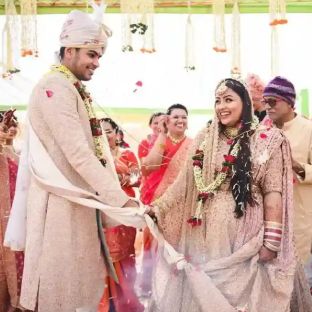
Chhattisgarh
Weddings in Chhattisgarh are an explosion of colours, traditions, and rituals; a vibrant blend of ancient customs that reflect the rich cultural heritage of this central Indian state. From the elaborate pre-wedding rituals to the festive feasts, weddings in Chhattisgarh are truly a sight to behold.
READ MORE →
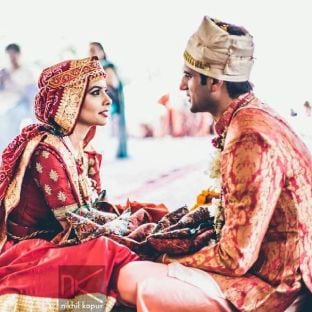
Jammu & Kashmir
Set against the backdrop of picturesque landscapes, the wedding traditions in Jammu and Kashmir offer a fascinating blend of rituals. The customs that mark a Kashmiri wedding are steeped in history and differ across various regions of the state.
READ MORE →
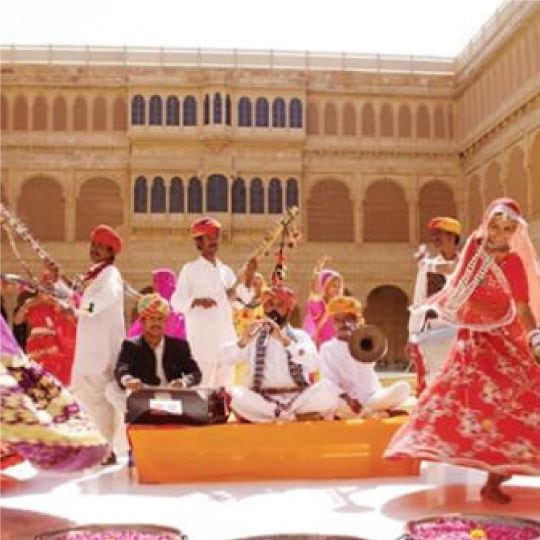
Rajasthan
Rajasthan, the land of kings, is renowned for its opulence, rich culture, and deep-rooted traditions. Weddings here are a grand celebration that embodies the splendour of Rajputana heritage.
From elaborate pre-wedding festivities to royal attires and sumptuous feasts, Rajasthan's weddings are truly a spectacle.
READ MORE →